From Cowboys to Culture: A Comprehensive History of Dallas
Delving into the history of Dallas, Texas is like embarking on an exciting journey through time, where the old Wild West intertwines with the modern culture of a bustling metropolis. From its early settlement days to its rapid rise as a commercial hub, Dallas’s past has been a fascinating sequence of transformations. Join us as we take a comprehensive look at the city’s history, from cowboys to culture.
Founding and Early History
John Neely Bryan founded Dallas in 1841, initially intending it to be a trading post for the Native Americans and pioneers. By 1856, the town was formally incorporated. Its geographical advantage as a crossroad secured its role as a center for farming trade.
The Railroad Age
The arrival of the railroads in the 1870s dramatically escalated Dallas’s growth. It became a major transportation and supply center, marking the beginning of its commercial prominence. The city rapidly grew both in population and economic influence.
The Oil Boom
The discovery of oil in Texas in the early 20th century propelled Dallas into an era of unprecedented prosperity. While the city itself was not an oil producer, it quickly became a business hub for oil operations. The consequent wealth reshaped the city’s landscape, leading to the construction of modern infrastructures and skyscrapers.
Cultural Transformation
As the city grew wealthier, Dallas began its transformation into a cultural hotspot. Museums, art galleries, and music centers sprung up. The city fostered a vibrant arts scene that continues to flourish today, with institutions like the Dallas Museum of Art, the Nasher Sculpture Center, and the Morton H. Meyerson Symphony Center becoming renowned cultural landmarks.
The Kennedy Assassination
In 1963, Dallas unwillingly entered the global spotlight when President John F. Kennedy was assassinated in Dealey Plaza. The tragic event left an indelible mark on the city. Today, the Sixth Floor Museum at Dealey Plaza stands as a testament to this historic event, attracting thousands of visitors annually.
Dallas Today
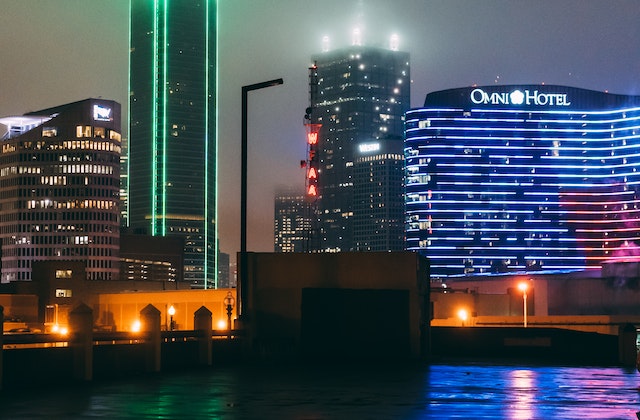
In the present day, Dallas stands as a cosmopolitan city with a diverse population. The city has continued to evolve, with an economy rooted in banking, commerce, technology, and telecommunications. It’s also home to multiple professional sports teams, including the Dallas Cowboys and the Dallas Mavericks.
Conclusion
From its cowboy roots to its current status as a cultural melting pot, Dallas’s history is a vibrant narrative of transformation and resilience. Its journey from a trading post to a thriving metropolis offers a unique perspective into the growth of America’s south-west. Today, Dallas stands proudly, reflecting its historical past while embracing the cultural diversity of the future.